
When you’re thinking about adding space to your home, it’s more than just an expansion—it’s an investment. Homeowners often look for ways to increase property value, improve functionality, and upgrade aesthetics all at once. Whether you want to accommodate a growing family, create a home office, or build a private guest suite, home addition designs play a crucial role in shaping the overall success of your renovation. Done right, these additions can elevate both your lifestyle and your home’s market value.
Why Invest in a Home Addition?
Home additions serve dual purposes: personal comfort and future value. By increasing square footage, you gain more livable space, but more importantly, you enhance your property’s appeal in the competitive real estate market. Potential buyers are more likely to pay top dollar for a home that already has the features they need. Instead of moving to a new property, many homeowners choose to expand where they are—saving on relocation costs while tailoring the space to suit their evolving needs.
Popular Types of Home Additions
There are various types of home additions, each offering unique benefits depending on your goals, layout, and budget. Here are some of the most in-demand:
- Room Additions: Perfect for growing families, these provide extra bedrooms, bathrooms, or guest quarters without disrupting existing space.
- Bump-Outs: A smaller, cost-effective option that extends an existing room—ideal for kitchens, bathrooms, or master suites.
- Second Story Additions: A bold move that doubles your living space, especially useful in urban areas with limited land.
- Sunrooms and Enclosed Porches: A great way to enjoy natural light year-round while adding usable square footage.
- Garage Conversions: Transforming an unused garage into a home office, gym, or rental suite can significantly boost property value.
Cost vs. Value Considerations
Not all additions offer equal returns. To get the best value, balance your upfront costs with long-term resale benefits. A well-designed master suite may increase property value more than a high-end kitchen upgrade, depending on your neighborhood. Researching market trends and working with a qualified contractor helps you prioritize additions that appeal to buyers and fit your budget.
Maximizing Functionality and Design
An addition should feel like a natural extension of your existing home. This includes using cohesive architectural styles, matching materials, and maintaining flow between rooms. Open-concept layouts are popular because they make spaces feel larger and more connected. Storage solutions, smart home integrations, and energy-efficient materials also make your addition more functional and attractive to future buyers.
When planning your layout, consider:
- Seamless indoor-outdoor transitions with sliding or folding glass doors
- Vaulted ceilings or skylights to enhance natural light
- Built-in shelves, benches, or storage to save space
- Noise-reducing insulation for bedrooms or home offices
Planning and Permits
Before breaking ground, check with your local municipality about zoning laws, building codes, and required permits. Some additions may be limited by setback rules or HOA guidelines. Hiring a licensed architect or design-build firm ensures compliance while helping you maximize every inch of space. In many regions, the permitting process can take several weeks, so factor this into your timeline.

Real-Life Inspiration and Trends
Current design trends highlight versatility and multi-purpose rooms. Homeowners increasingly seek additions that serve dual functions, like a guest room that doubles as a home office or a sunroom used for dining and relaxation. Multi-generational living is also shaping home addition ideas, with many families creating private suites for aging parents or young adults.
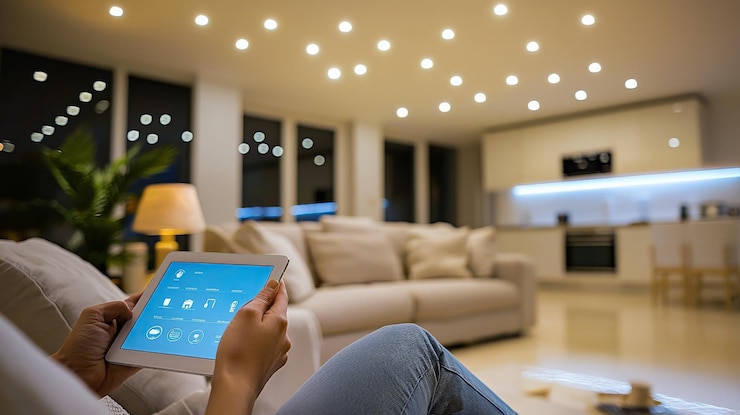
Smart technology is another major trend. Additions equipped with Wi-Fi-controlled lighting, heating, and security systems appeal to tech-savvy buyers and boost perceived value. Sustainable features like solar panels, energy-efficient windows, and green insulation are no longer optional—they’re expected.
Final Thoughts
A home addition is one of the most impactful upgrades you can make. By carefully planning and choosing the right design, you not only gain more space and comfort but also position your property for future profit. Whether you go with a full-scale second story or a modest room extension, the goal is to enhance both livability and long-term value. Always work with professionals, follow local building codes, and select materials and styles that match your home’s existing character. The right home addition is not just a smart investment—it’s a lifestyle upgrade that pays dividends in more ways than one.