
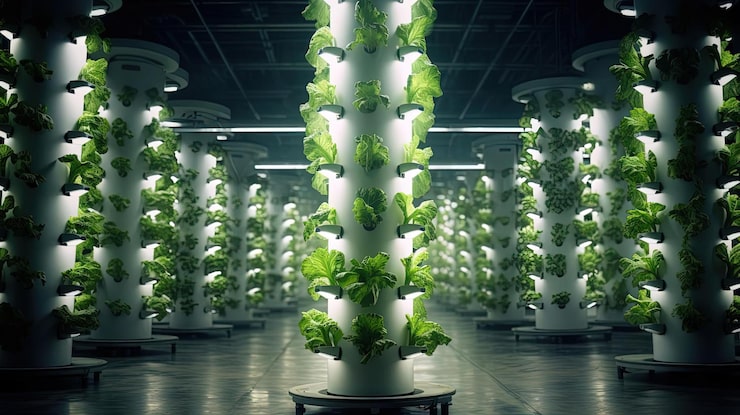
In today’s fast-paced world, traditional gardening can be challenging due to limited space, soil quality, and unpredictable weather. Hydroponic systems are changing the way people grow plants, offering a cleaner, more efficient, and sustainable approach. One of the most innovative solutions is hydroponic towers, which allow gardeners to cultivate a variety of plants in a vertical, space-saving setup. These towers are ideal for urban environments, home gardens, and even commercial setups, making gardening accessible to everyone, regardless of space constraints.
What Are Hydroponic Towers?
Hydroponic towers are vertical structures designed to grow plants without soil. Instead of relying on dirt, these towers use nutrient-rich water to deliver essential minerals directly to plant roots. This method accelerates growth, reduces water usage, and eliminates common soil-borne issues like pests and diseases. Each tower usually contains multiple planting sites, enabling gardeners to grow a variety of vegetables, herbs, or flowers in a compact area.
The benefits of using hydroponic towers include:
- Space Efficiency: Grow more plants in less space.
- Faster Growth: Nutrient delivery is optimized for rapid plant development.
- Reduced Water Usage: Uses up to 90% less water than traditional gardening.
- Fewer Pests and Diseases: No soil reduces exposure to common plant problems.
How Hydroponic Towers Work
The operation of hydroponic towers is simple yet highly effective. Water enriched with nutrients is circulated from the base of the tower to the top, feeding plants as it moves downward through the structure. Some systems use pumps for continuous circulation, while others rely on gravity-fed mechanisms. The roots of the plants are suspended in the nutrient solution, absorbing what they need to thrive.
This method ensures that every plant receives equal nutrients, unlike traditional soil gardening where some plants may compete for resources. Additionally, hydroponic towers often come with modular designs, allowing easy maintenance, harvesting, and expansion.
Choosing the Right Plants for Your Tower
While many plants can grow in hydroponic towers, leafy greens, herbs, and strawberries are particularly well-suited. Some examples include:
- Lettuce: Quick-growing and high yield.
- Basil and Mint: Thrives in nutrient-rich water.
- Spinach and Kale: Nutrient-dense greens for daily consumption.
- Strawberries: Perfect for vertical setups with hanging fruits.
Selecting the right plant varieties ensures maximum growth efficiency and reduces the risk of overcrowding. For beginners, starting with easy-to-grow herbs and leafy greens is recommended to gain confidence before exploring more complex crops.
Advantages Over Traditional Gardening
Hydroponic towers offer several advantages compared to conventional gardening:
- Year-Round Growth: Indoor setups allow gardening regardless of weather conditions.
- Cleaner Environment: No soil means less mess and fewer gardening tools needed.
- Higher Yields: Vertical stacking increases production per square foot.
- Environmentally Friendly: Conserves water and reduces chemical runoff.
Urban gardeners, apartment dwellers, and schools have adopted hydroponic towers to promote green spaces and teach sustainable gardening practices. These towers also appeal to commercial growers looking to maximize output in limited spaces.
Integrating a Vertical Garden System
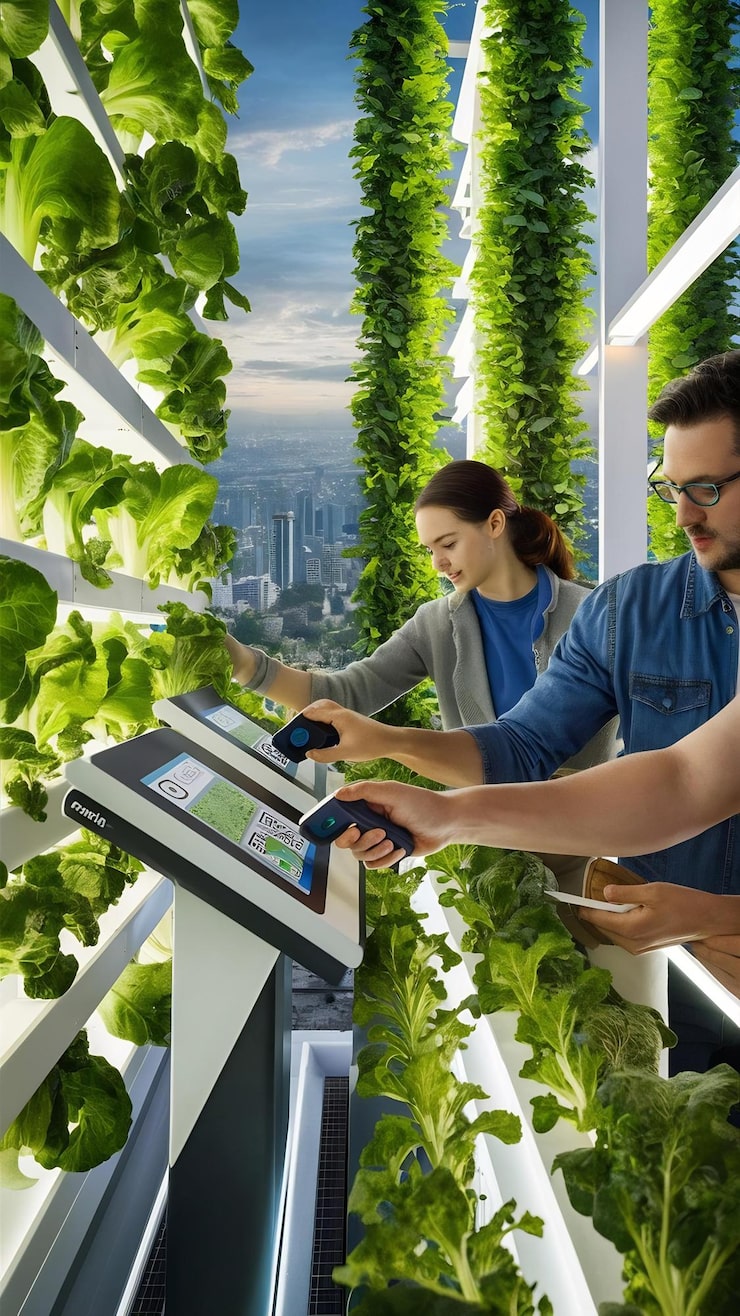
For those seeking even more efficiency, combining hydroponic towers with a vertical garden approach enhances productivity and aesthetics. Vertical gardens allow plants to grow along walls or specially designed panels, creating a natural, green environment. This integration not only saves space but also improves air quality and adds visual appeal to homes or offices.
When planning a vertical garden, consider factors like sunlight exposure, water circulation, and structural support. Pairing it with hydroponic towers ensures continuous growth and minimal maintenance, making it ideal for both beginners and experienced gardeners.
Tips for Maintaining Your Hydroponic Tower
Proper maintenance is key to a successful hydroponic system. Here are some essential tips:
- Monitor Nutrient Levels: Regularly check and adjust nutrient solutions to ensure plant health.
- Clean the System: Prevent algae buildup by cleaning water reservoirs and tubes periodically.
- Check Water pH: Keep pH levels within the ideal range (usually 5.5–6.5) for nutrient absorption.
- Inspect Plants: Remove any dead or damaged leaves to maintain optimal growth conditions.
Consistent care ensures that your hydroponic tower remains productive and continues to deliver fresh, healthy plants throughout the year.
Conclusion
Hydroponic towers are transforming modern gardening by offering a space-saving, efficient, and sustainable solution. Their ability to deliver nutrients directly to plant roots, combined with vertical growth potential, makes them ideal for urban and home gardeners alike. By incorporating a vertical garden setup, you can further maximize productivity and create visually appealing green spaces. With proper planning and maintenance, hydroponic towers can provide fresh vegetables, herbs, and fruits year-round, making them a smart investment for anyone looking to embrace modern, eco-friendly gardening.