
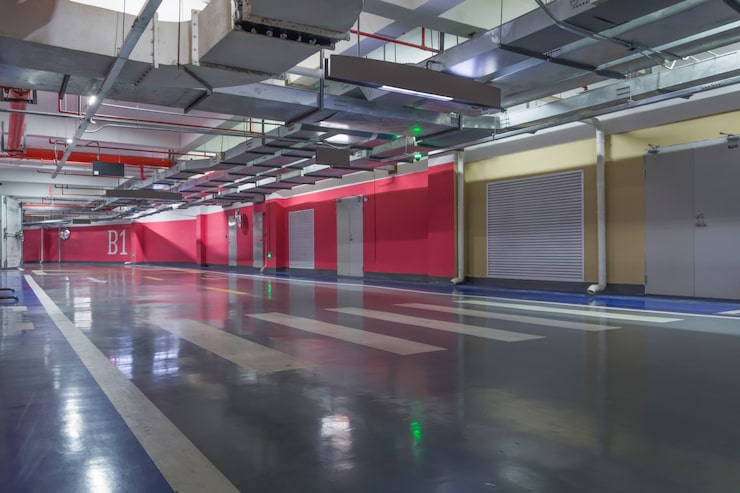
Industrial and commercial floors face constant stress every day. Forklifts, pallet jacks, machinery, dropped tools, and chemical washdowns create conditions that can quickly damage untreated concrete surfaces. High Traffic Epoxy Flooring, is designed to protect floors from heavy wear while improving durability, workplace safety, and long-term operational efficiency.
Concrete may appear tough, but repeated impact and continuous traffic gradually weaken the surface. Cracks, dust buildup, moisture penetration, and uneven flooring can create expensive repair issues and increase the risk of accidents. In busy industrial environments, flooring systems must perform under pressure without interrupting daily operations.
Modern epoxy flooring systems are engineered specifically for demanding environments. They provide a seamless and highly durable surface capable of resisting impact, chemicals, abrasion, and moisture. Facilities that invest in high-performance flooring systems often benefit from reduced maintenance costs, improved safety standards, and longer-lasting concrete protection.
Why Industrial Facilities Need Strong Flooring Systems
Industrial facilities operate under conditions that place enormous stress on flooring surfaces. Warehouses experience continuous forklift movement, manufacturing plants handle heavy machinery, and food processing facilities deal with moisture and harsh cleaning procedures.
Without proper flooring protection, concrete gradually deteriorates under these conditions. Surface damage can slow operations, damage equipment, and create unsafe work environments. Repairs can also become costly when concrete begins to crack or erode.
High-performance flooring systems help solve these problems by creating a protective barrier over the concrete surface. This barrier improves resistance to wear, impact, chemicals, and moisture while extending the life of the floor.
Businesses that use professionally installed flooring systems often notice improved operational efficiency because durable flooring reduces maintenance interruptions and safety concerns.
How Epoxy Flooring Delivers Long-Term Durability
Epoxy flooring is one of the most widely used flooring systems in industrial and commercial facilities. It is created by combining resin and hardener materials that chemically bond with prepared concrete surfaces.
Once cured, epoxy forms a dense and highly durable coating capable of handling extreme traffic and industrial activity.
Resistance to Heavy Equipment Traffic
Industrial epoxy flooring performs exceptionally well in environments with heavy rolling loads. Forklifts, pallet jacks, and production equipment can move across the surface continuously without causing major deterioration.
This makes epoxy flooring ideal for warehouses, distribution centers, logistics facilities, and automotive environments where durability is essential.
Strong Surface Protection
Epoxy flooring creates a protective layer that shields concrete from impact damage, abrasion, stains, and chemical exposure. This helps preserve the structural integrity of the floor over time.
The seamless finish also prevents liquids and contaminants from penetrating into the concrete, reducing the risk of long-term moisture damage.
Easier Cleaning and Maintenance
Industrial environments often accumulate dust, debris, oils, and chemical residue. Epoxy flooring simplifies cleaning because its smooth and non-porous surface prevents contaminants from becoming trapped in the concrete.
Facilities can maintain cleaner workspaces while reducing the time and effort required for routine maintenance.
Advanced Resin Flooring Systems for Modern Operations
Many facilities now use advanced resin technologies in addition to traditional epoxy flooring. Polyaspartic coatings, urethane coatings, and methyl methacrylate flooring systems provide additional performance benefits for industrial applications.
These systems are especially useful for facilities that require fast installation and rapid return-to-service capabilities.
Fast Curing Performance
Some advanced resin systems cure much faster than standard epoxy flooring. This allows facilities to resume production and daily operations within a shorter timeframe.
For businesses operating around the clock, minimizing downtime is essential for maintaining productivity.
Chemical Resistance for Industrial Environments
Industrial flooring systems are frequently exposed to oils, acids, solvents, and aggressive cleaning chemicals. Advanced resin flooring systems help protect the concrete surface from chemical corrosion while maintaining long-term durability.
This makes them a reliable solution for manufacturing plants, laboratories, and processing facilities.
Improved Workplace Safety
Slip-resistant additives can be added to resin flooring systems to improve traction in high-traffic areas. This helps reduce the risk of workplace injuries and creates safer conditions for employees.
Many businesses looking for dependable Industrial high traffic flooring systems prefer advanced resin technologies because they combine durability, flexibility, and strong protective performance.
Urethane Cement Flooring for Harsh Conditions
Urethane cement flooring is another highly durable option for industrial facilities exposed to extreme environmental conditions. This system combines cement-based materials with polyurethane technology to create a thick and resilient flooring surface.
It is commonly used in food processing facilities, pharmaceutical plants, commercial kitchens, and chemical manufacturing environments.
Excellent Thermal Shock Resistance
Urethane cement flooring handles rapid temperature changes better than many standard flooring systems. It expands and contracts at a rate similar to concrete, reducing the risk of cracking under thermal stress.
This makes it ideal for areas exposed to hot water washdowns, freezer conditions, and steam cleaning procedures.
Moisture and Impact Protection
The dense structure of urethane cement flooring helps resist moisture penetration and impact damage. Heavy equipment movement and dropped tools are less likely to damage the surface compared to untreated concrete.
Facilities exposed to wet conditions often choose urethane cement flooring because it maintains durability even in harsh environments.
Importance of Proper Surface Preparation
Even the highest-quality flooring systems can fail if the concrete surface is not prepared correctly. Professional contractors use mechanical grinding and profiling techniques to create the proper surface profile before installation.
This preparation process allows the flooring system to bond securely with the concrete substrate. Proper adhesion is essential for long-term durability and performance.
Moisture testing, crack repairs, and controlled curing procedures are also important parts of the installation process. Facilities that invest in professional installation often experience fewer repairs and longer flooring lifespan.
Choosing the Right Flooring Solution
Every industrial facility has different operational requirements. Warehouses with heavy forklift traffic may benefit most from epoxy flooring systems, while food processing environments often require urethane cement because of moisture and thermal shock exposure.
Advanced resin flooring systems are ideal for businesses that need rapid installation and minimal operational downtime. Selecting the right flooring solution depends on understanding the traffic levels, environmental conditions, and maintenance requirements within the facility.
A properly selected flooring system improves safety, efficiency, and long-term operational performance.
Conclusion
High traffic epoxy flooring provides essential protection for industrial and commercial facilities exposed to continuous wear and heavy operational demands. Epoxy flooring systems offer exceptional durability, abrasion resistance, and easy maintenance for warehouses, manufacturing plants, and logistics centers.
Advanced resin systems provide fast curing and chemical resistance, while urethane cement flooring delivers superior durability in harsh environments involving moisture and temperature changes. Choosing the right flooring system helps businesses reduce maintenance costs, improve safety, and extend the life of concrete surfaces.
With professional installation and proper maintenance, high-performance flooring systems can provide reliable long-term protection for even the most demanding industrial environments.
FAQs
What is high traffic epoxy flooring used for?
High traffic epoxy flooring is commonly used in warehouses, manufacturing plants, logistics centers, automotive facilities, and commercial buildings exposed to heavy traffic and equipment movement.
How long does industrial epoxy flooring last?
Professionally installed epoxy flooring can last many years depending on traffic levels, environmental conditions, and regular maintenance practices.
Is epoxy flooring resistant to chemicals and moisture?
Yes, epoxy flooring provides strong resistance against chemicals, oils, moisture, and industrial contaminants, making it suitable for demanding industrial applications.
