
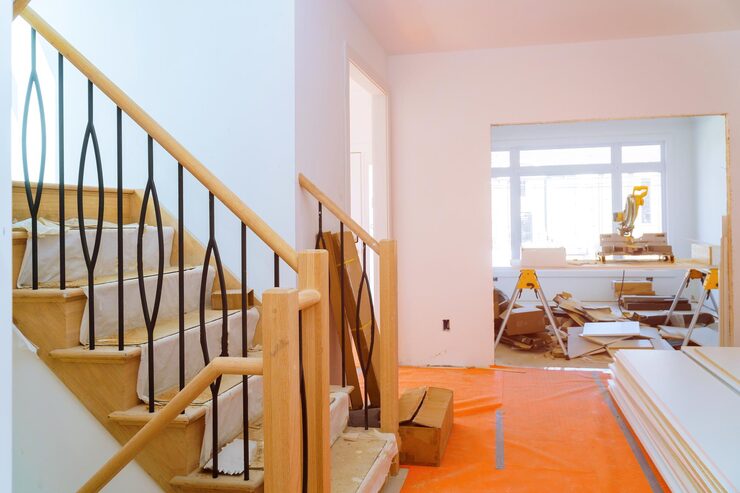
Home restoration is evolving rapidly in 2025, blending cutting-edge technology with eco-friendly approaches to not only repair damaged properties but also enhance their resilience and comfort. Whether recovering from floodwater, fire damage, or structural wear, adopting modern restoration methods transforms your home into a smarter, healthier sanctuary. Early in this process, engaging expert services for home restoration sets the foundation for a safe and sustainable rebuild.
Embracing Smart Technology in Home Restoration
Today’s home restoration incorporates smart technology to monitor and protect your property. From moisture sensors that detect hidden leaks early to automated ventilation systems preventing mold growth, advanced devices save homeowners from extensive repairs later. Thermal imaging cameras pinpoint water intrusion in walls and floors, allowing targeted and efficient repairs. Smart thermostats and humidity controllers maintain ideal indoor conditions during and after restoration, ensuring lasting comfort and structural health.
This tech-forward approach complements traditional repair techniques, making water damage restoration and other fixes faster and more precise.
Sustainable Materials Shape Restoration Projects
Sustainability is a strong driver in today’s home restoration. With climate awareness growing, eco-friendly building materials like reclaimed wood, carbon-neutral concrete, and low-VOC paints are preferred choices. These materials reduce environmental impact while boosting the home’s durability and air quality. Green insulation options using recycled fibers improve energy efficiency and comfort.
Incorporating sustainability in restoration means your renewed home isn’t just a comeback but a healthier, more energy-conscious space for years to come.
Tackling Water Damage with Innovative Solutions
Water damage remains one of the biggest restoration challenges—but new technologies are revolutionizing recovery. Professional water extraction now relies on high-efficiency pumps and desiccant dehumidifiers that operate effectively even in cooler conditions, drying spaces thoroughly and quickly. Advanced antimicrobial treatments ensure surfaces are sanitized to prevent mold and decay.
These innovations in water damage restoration shorten restoration times and protect structural integrity, helping homes bounce back faster without hidden moisture threats.
Stepwise Approach to Modern Home Restoration
- Comprehensive Damage Evaluation: Using tools like infrared moisture detectors and air quality monitors, experts uncover all problem areas including concealed water damage, mold, and structural weaknesses.
- Containment and Cleanup: Specialized techniques isolate damaged areas to prevent contamination spread, followed by debris removal and thorough sanitization to prepare for repairs.
- Rebuilding and Upgrade: Repairs include replacing damaged drywall, electrical systems, roofing, and flooring. With rising preferences for sustainability, many restoration plans now incorporate eco-conscious upgrades.
- Final Inspection and Ongoing Prevention: After rebuilding, inspections ensure safety compliance and lasting quality. Implementing preventative features like smart leak detectors and enhanced drainage systems reduces future restoration needs.
Real-World Restoration Success Stories
Consider a flood-impacted home restored using infrared moisture detection and heat drying systems. The precise drying prevented mold growth and stabilized structural elements within weeks, markedly improving indoor air quality and safety. Another homeowner in wildfire-prone areas opted for fire-resistant building materials, including metal roofing and concrete siding, successfully reducing vulnerability to future fires.
These examples underscore how modern restoration balances recovery with resilience.
Insurance and Cost Considerations
Restoration using advanced technologies may command higher upfront costs but often leads to savings by preventing repeated repairs and enhancing property value. Insurance claims typically cover sudden damages like flooding and fire but exclude neglect-related issues, highlighting the importance of routine maintenance and timely restoration.
Consulting restoration experts helps homeowners navigate insurance processes and optimize funding strategies for comprehensive recovery.
Preparing for the Future with Preventive Restoration
Post-restoration, monitoring systems equipped with smart sensors and environmental controls play a crucial role in protecting investments. Regular preventive maintenance—such as sealing vulnerable entry points, maintaining gutters, and scheduling plumbing inspections—reduces risk of damage recurrence.
Planning for climate resilience is also vital: homes in hurricane or flood zones now benefit from impact-resistant windows, elevated foundations, and reinforced structural designs. This proactive mindset complements restoration, ensuring homes survive future challenges better.
Conclusion
Home restoration in 2025 stands at the intersection of technology, sustainability, and safety. By integrating smart tools, eco-friendly materials, and innovative water damage solutions, it is now possible to rebuild damaged homes not just quickly but intelligently. Following a strategic and modern restoration plan revitalizes your home’s structure and environment, making it more durable, comfortable, and valuable.
Choosing professional home restoration services ensures your property is restored to the highest standards, safeguarding your investment and well-being as you welcome a refreshed living space with confidence.
