
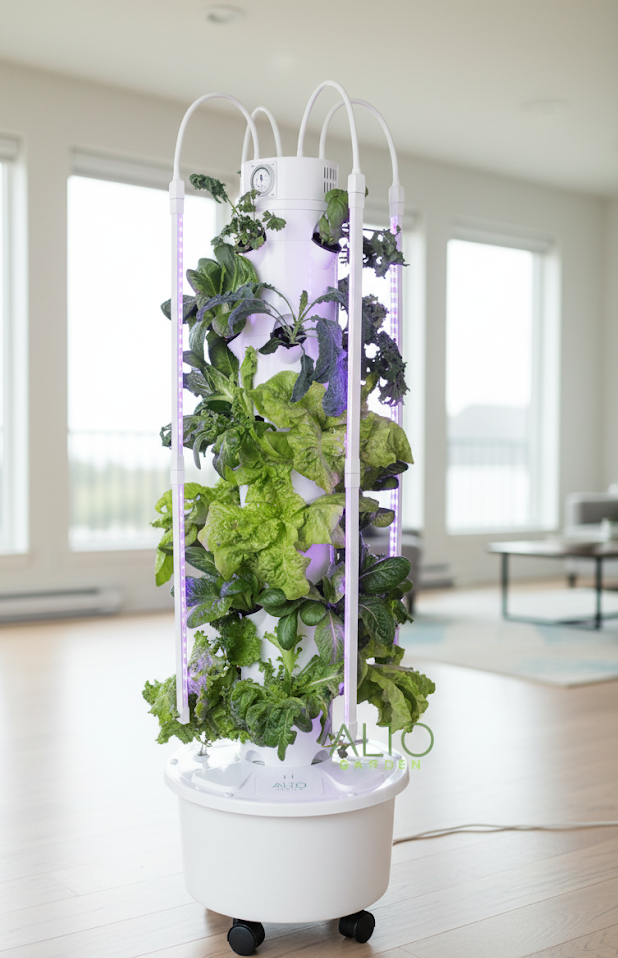
Tired of digging in the dirt and dealing with pests, weeds, and unpredictable weather? A hydroponic tower might be the perfect solution for you. This innovative, space-saving system allows you to grow fresh, healthy produce indoors, year-round, without soil. By cultivating plants vertically, a hydroponic tower transforms a small corner of your home into a productive garden, making fresh food accessible no matter where you live. This article will delve into the remarkable benefits of using a vertical growing system and explain how this modern technology works to produce faster, healthier yields with less effort.
What is a Hydroponic Tower and How Does It Work?
A hydroponic tower is a vertical gardening system that uses a soilless method of growing plants. Instead of soil, plants are rooted in a growing medium like rockwool or clay pebbles, and their roots are directly exposed to a nutrient-rich water solution. The hydroponic tower is a stacked, modular structure, with a central column and multiple planting ports on each level. This design allows plants to be grown one above the other, dramatically increasing the number of plants you can grow in a small footprint.
The magic happens in the reservoir at the base of the tower. A submersible pump circulates the nutrient solution from the reservoir to the top of the tower. The solution then trickles down through the central column, bathing the roots of each plant in a constant stream of water and nutrients. The excess water drains back into the reservoir, creating a closed-loop system that recycles water and nutrients with incredible efficiency. This precise, consistent delivery of everything a plant needs—without the inefficiencies of soil—is the key to the rapid, robust growth that hydroponics is known for.
Key Components of a Hydroponic Tower
Understanding the core components of a hydroponic tower demystifies its operation.
- Reservoir: The foundation of the system, this tank holds the water and nutrient solution. It’s crucial to keep the solution at the right pH and nutrient concentration for optimal plant health.
- Pump: This device pushes the nutrient solution from the reservoir to the top of the tower. Many systems use a timer to schedule intermittent watering, which is a technique known as aeroponics. This exposes the roots to air between watering cycles, allowing them to absorb more oxygen, which is vital for vigorous growth.
- Vertical Column & Planter Ports: The main structure of the tower. The column houses the internal watering system, and the ports are where you place your plants. The design is engineered to provide ample space for each plant to grow without competing for light or air, preventing the stunted growth often seen in crowded soil gardens.
- Grow Lights: For indoor setups, especially in homes without ample natural sunlight, grow lights are essential. These lights provide the energy plants need for photosynthesis. The best lights, like full-spectrum LEDs, mimic natural sunlight, providing all the wavelengths of light plants need from seedling to maturity. Adjustable lights are a huge plus, as they can be moved closer to or further from plants to accommodate different growth stages.
The Unmatched Benefits of a Hydroponic Tower
Choosing a hydroponic tower over traditional gardening offers a multitude of advantages that make it a compelling choice for both new and experienced gardeners.
- Space Efficiency: This is perhaps the most significant benefit. A hydroponic tower can produce the same amount of food as a much larger traditional garden. For example, a tower that takes up just a few square feet can have the growing capacity of a 25-square-foot soil garden. This makes it perfect for apartments, balconies, small patios, or any indoor space where horizontal space is limited.
- Water Conservation: Hydroponic systems are incredibly water-efficient. Because the water is recycled within the closed-loop system, they use up to 95% less water than traditional soil gardens. In a world where water conservation is becoming increasingly important, this is a massive benefit.
- Faster Growth and Higher Yields: Without the need to search for nutrients in the soil, plants in a hydroponic tower can dedicate more energy to growth. This often results in faster maturation and higher yields. Many crops can be harvested in about half the time compared to soil-grown plants.
- Year-Round Growing: Since your garden is indoors, you are no longer at the mercy of the seasons or unpredictable weather. You can grow your favorite vegetables, fruits, and herbs year-round, ensuring a constant supply of fresh produce.
- No Weeds or Pests: One of the most tedious aspects of traditional gardening is eliminated. There is no soil, so there are no soil-borne weeds or common pests that live in the ground. This makes for a cleaner, lower-maintenance gardening experience.
Cultivating a Thriving Garden in Your Hydroponic Tower
Starting your hydroponic tower garden is a straightforward process. First, choose the crops you want to grow. Leafy greens like lettuce, kale, and arugula, along with herbs such as basil and parsley, thrive in these systems. You can also successfully grow strawberries, peppers, and even small tomatoes.
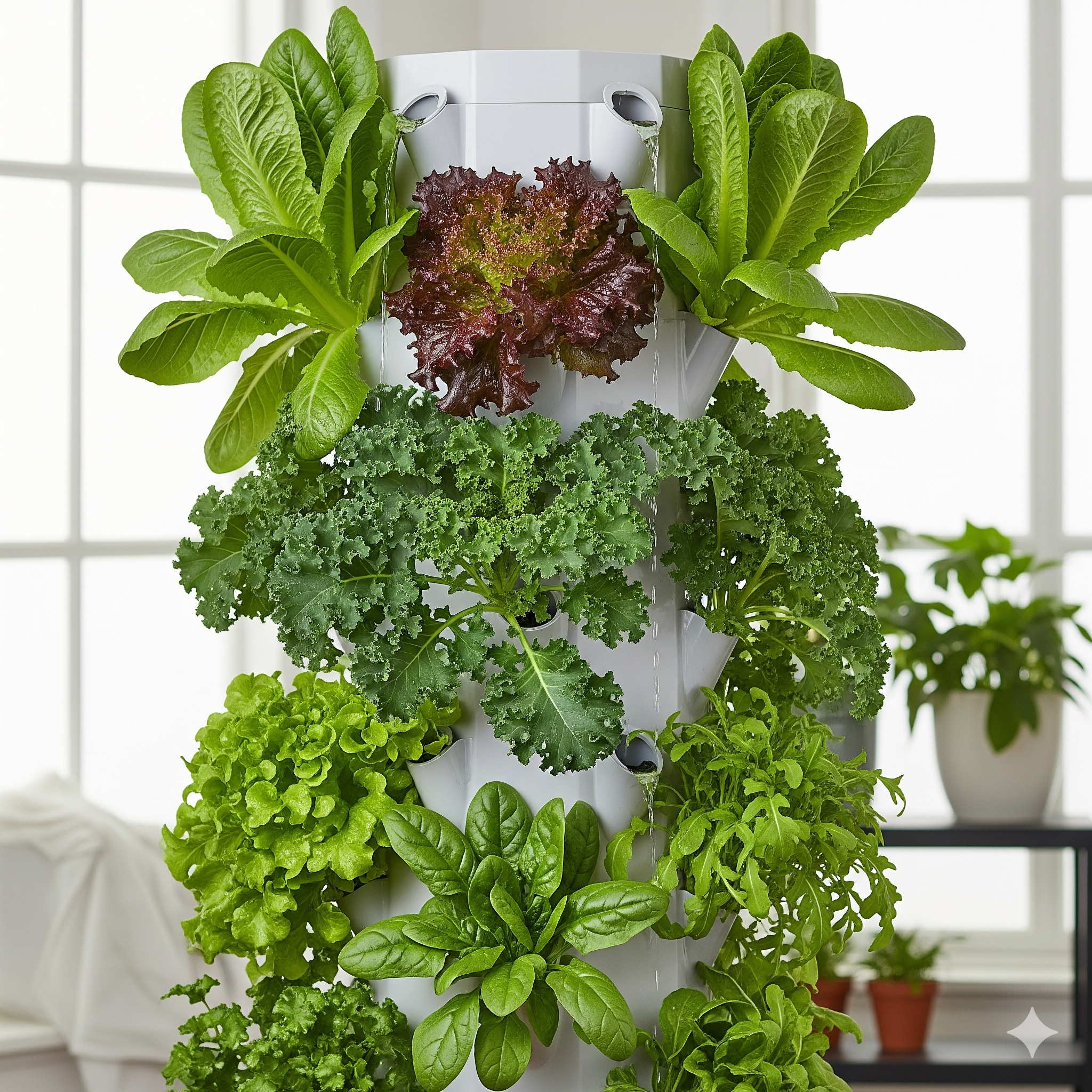
Once you have your seedlings, carefully place them in the planting ports of the tower. Prepare your nutrient solution by mixing the provided hydroponic nutrients with water according to the instructions. Next, fill the reservoir, and turn on the pump and grow lights. A good starting point for a lighting schedule is 12-14 hours on and 10-12 hours off, which mimics a natural day-night cycle. Regularly monitor the water levels, pH, and nutrient concentration to ensure your plants are getting the perfect balance for optimal growth.
A Few Tips for Success
- Cleanliness is Key: Regularly clean your system to prevent the buildup of algae, which can compete with your plants for nutrients.
- Monitor pH: The pH of the nutrient solution is critical for nutrient absorption. Use a pH test pen to ensure the solution is in the ideal range for your specific plants.
- Listen to Your Plants: Pay attention to your plants. Yellowing leaves may indicate a nutrient deficiency or incorrect pH, while brown, mushy roots could be a sign of overwatering. Adjust your watering schedule or nutrient levels as needed.
Conclusion
The hydroponic tower is more than just a piece of gardening equipment; it’s a gateway to a more sustainable, efficient, and rewarding way of growing food. It addresses many of the common challenges of traditional gardening, making it accessible to a wider audience, regardless of their space or experience level.
If you are looking to bring the joy of gardening into your home and enjoy the taste of fresh, homegrown produce year-round, a vertical grow tower is an excellent investment. For more information on how to get started, you can explore the benefits of a system like the ALTO Garden GX Hydroponic Tower. Its efficient design and high-quality construction are designed to help you succeed in your hydroponic journey.