
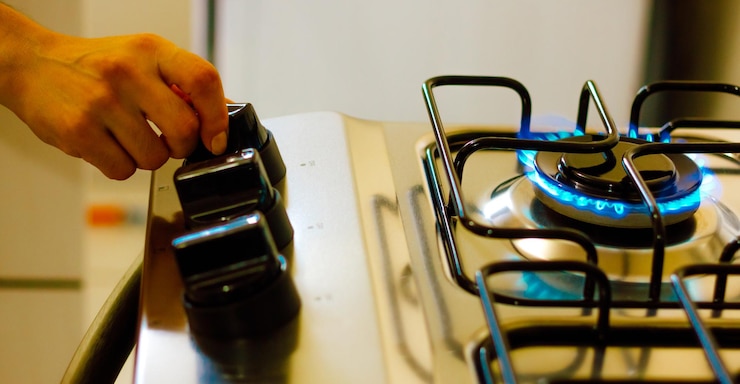
Gas stoves are a reliable kitchen essential, but when they stop lighting, it disrupts your daily routine. A clicking sound without ignition or the smell of gas can be concerning. If you’re facing these issues, don’t panic. This guide covers the most common causes, simple DIY checks, and when to call a professional. Let’s explore how you can restore your stove’s functionality safely.
Common Reasons Your Gas Stove Isn’t Lighting
When your gas stove fails to ignite, there are a few usual suspects. Some problems are minor and easy to resolve at home, while others may require professional assistance.
1. Dirty or Clogged Burner
The most frequent issue is a dirty burner. Food debris, grease, or spills can clog the tiny holes where gas escapes, preventing proper ignition.
Solution:
Turn off the gas and unplug the stove. Remove the burner cap and use a toothbrush or needle to gently clean the ports. Reassemble the burner and try lighting it again.
2. Faulty Igniter
If your stove clicks but doesn’t light, the igniter might be defective. The igniter’s job is to spark and ignite the gas.
How to check:
Look for visible sparks when you turn the knob. If there’s no spark or a weak one, the igniter may need replacement.
3. Misaligned Burner Cap
A burner cap out of position can block the gas flow and prevent ignition.
Fix:
Ensure the cap is properly aligned and sits evenly on the burner base. Reposition and test again.
4. Moisture Inside the Burner
After cleaning or a spill, moisture may be trapped in the burner, causing a clicking sound without lighting.
Drying tip:
Use a hairdryer or let the stove air dry for a few hours before attempting to relight.
5. Power Supply Issues
Electric ignition systems need a power source. If the stove is unplugged or the circuit is tripped, it won’t light.
Troubleshooting:
Check if the stove is plugged in and inspect the circuit breaker. Restore power and try again.
If none of these steps resolve the problem, it might be time for Gas Stove Repair by a certified technician to ensure your appliance is working safely and efficiently.
Signs Your Gas Stove Needs Professional Attention
While DIY checks can resolve simple problems, some symptoms indicate a deeper issue that should not be ignored.
1. You Smell Gas but Stove Won’t Light
This is a serious warning sign. If your Gas Stove Won’t Light But Smell Gas, turn off the appliance immediately. Open windows and avoid using electrical switches. Contact your gas company and a repair technician without delay.
2. Continuous Clicking Sound
If the igniter keeps clicking even after the burner lights, the ignition switch may be faulty or stuck due to moisture or grease.
What to do:
Unplug the stove and clean the ignition area thoroughly. If the clicking continues, the switch might need replacement.
3. Burners Light Unevenly
When the flame is weak, orange, or only ignites partially, the burner or gas line could be blocked.
Professional check:
Technicians can inspect gas pressure, clean internal components, or replace damaged parts safely.
Safety Tips to Keep in Mind
Always prioritize safety when dealing with gas appliances. Here are a few precautions:
- Never ignore the smell of gas. It could indicate a leak.
- Avoid using open flames to test gas flow.
- Perform routine cleaning to keep burners functioning properly.
- Don’t attempt complex repairs unless you’re trained.
Preventative Maintenance Tips
Keeping your gas stove in top shape reduces the likelihood of malfunctions. Here’s how:
- Clean burner heads weekly to prevent clogs.
- Use a damp cloth to wipe knobs and surrounding areas.
- Inspect the igniter and wires monthly.
- Schedule annual professional inspections.
Conclusion
A gas stove that won’t light can be frustrating, but understanding the common causes makes troubleshooting easier. From dirty burners to misaligned caps, many problems are easy to fix at home. However, if you smell gas or repeated clicking persists, seek professional help immediately. Regular maintenance and timely Gas Stove Repair can extend the life of your appliance and keep your kitchen safe.
Whether you’re fixing it yourself or calling in a pro, acting quickly can save you time, money, and potential danger. Stay informed, stay safe, and enjoy hassle-free cooking.